
Investing isn’t reserved for seasoned professionals or high net worth individuals—it’s for anyone ready to build long-term wealth, especially young investors ready to take charge of their financial future. In today’s ever-evolving financial landscape, diversification isn’t just a buzzword; it’s a fundamental principle that can help mitigate risk and boost potential returns. In this article, we’ll dive into the nuts and bolts of constructing a diversified investment portfolio, complete with actionable strategies, key insights, and practical tips for the modern investor.

Why Diversification Matters
When you diversify your portfolio, you spread your investments across a variety of asset classes, sectors, and geographies. This reduces the impact of a poor-performing investment on your overall portfolio.
- Risk Management: Diversification lowers overall risk by ensuring that your portfolio isn’t overly concentrated in one area.
- Enhanced Returns: While diversification might not guarantee higher returns, it helps balance volatility, creating a smoother ride during market fluctuations.
- Capital Preservation: For young investors, early losses can be hard to recover from. Diversification protects your capital, giving your investments time to grow.
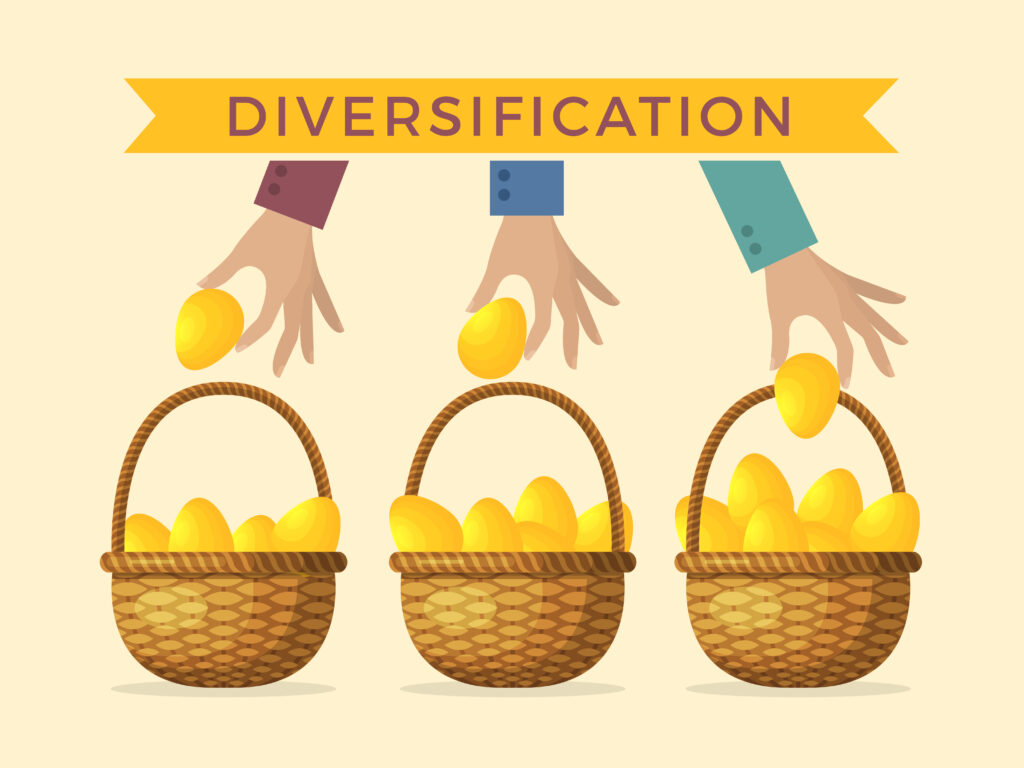
The famous adage “don’t put all your eggs in one basket” perfectly encapsulates the philosophy behind diversification.
Assessing Your Financial Goals and Risk Tolerance
Before building your portfolio, it’s critical to understand your personal financial objectives and the level of risk you’re willing to assume.
Set Clear Goals
- Short-Term vs. Long-Term: Identify whether you’re saving for a down payment on a house, an emergency fund, or retirement. Your time horizon plays a huge role in your investment choices.
- Quantifiable Targets: Define specific monetary goals. For instance, “I want to save $100,000 by age 35” provides direction and a timeline.
Understand Your Risk Tolerance
- Personal Comfort: Risk tolerance is not solely based on numbers—it’s also about how much market volatility you can stomach emotionally.
- Risk Profiling Tools: Use online questionnaires and consult financial advisors to determine your risk level. This will guide the proportion of safe vs. growth-oriented assets in your portfolio.
With a clear understanding of your financial goals and risk tolerance, you can now design an investment strategy that suits your personal needs.
Key Asset Classes to Consider
A diversified portfolio typically includes a mix of the following asset classes:
Equities (Stocks)
- Growth Potential: Equities offer the potential for significant capital gains, especially if you invest in emerging companies.
- Dividend Income: Some stocks provide dividends, which can be reinvested to compound returns.
- Global Exposure: Consider investing in both domestic and international markets to broaden your exposure.
Fixed Income (Bonds)
- Stability and Income: Bonds typically provide a steady income stream and tend to be less volatile than stocks.
- Variety: Explore government bonds, corporate bonds, and municipal bonds to spread risk.
- Duration Matching: Match the duration of your bonds with your investment horizon to manage interest rate risk.
Real Estate
- Tangible Asset: Real estate can be a reliable long-term investment, offering both income (through rent) and appreciation.
- Diversification Beyond Stocks: Real estate often moves independently of the stock market, providing an effective hedge against market downturns.
- REITs: For those who prefer a hands-off approach, Real Estate Investment Trusts (REITs) offer exposure to real estate markets without owning physical property.
Alternative Investments
- Cryptocurrencies: While highly volatile, a small allocation can yield significant returns for the bold investor.
- Commodities: Gold, silver, and other commodities can serve as a hedge against inflation.
- Peer-to-Peer Lending: Diversify into alternative income streams by participating in peer-to-peer lending platforms.
Building Your Investment Strategy
Constructing a diversified portfolio isn’t about buying random assets; it’s a calculated process based on your financial goals and market research.
Asset Allocation
- Define Proportions: Determine what percentage of your portfolio should be allocated to each asset class. For example, a 60/40 split between equities and bonds is a common starting point.
- Adjust Over Time: Your allocation should evolve with your changing risk tolerance and financial situation. Younger investors might lean more toward stocks, while those nearing retirement may shift toward fixed income.
Rebalancing
- Regular Reviews: Markets fluctuate, and so will your portfolio’s asset allocation. Schedule periodic reviews (quarterly or biannually) to adjust back to your target mix.
- Automated Solutions: Many robo-advisors offer automatic rebalancing features, which can be particularly helpful for those new to investing.
Tax Efficiency
- Tax-Advantaged Accounts: Utilize accounts such as IRAs, 401(k)s, or Roth IRAs to maximize tax benefits.
- Capital Gains Strategies: Understand long-term vs. short-term capital gains and adjust your investment strategy accordingly.
Actionable Steps for Young Investors
Ready to put theory into practice? Here are some specific action items to build your diversified portfolio:
1. Conduct a Self-Assessment
- Financial Goals: Write down your short-term and long-term financial targets.
- Risk Tolerance: Complete an online risk tolerance questionnaire or speak with a financial advisor.
2. Research and Select Assets
- Stocks: Identify a mix of blue-chip stocks for stability and emerging stocks for growth.
- Bonds: Consider bond ETFs for instant diversification within the fixed income market.
- Real Estate: Research local real estate markets or consider investing in REITs.
- Alternatives: Allocate a small percentage of your portfolio to alternative assets like cryptocurrencies or commodities.
3. Choose an Investment Platform
- Brokerage Account: Select a reputable brokerage that offers low fees, robust research tools, and an easy-to-use interface.
- Robo-Advisors: If you prefer a more hands-off approach, explore robo-advisors that offer automated portfolio management.
4. Build Your Portfolio
- Start Small: Begin with a modest investment to get comfortable with market fluctuations.
- Diversify: Don’t overcommit to any single asset. Spread your investments across different classes to minimize risk.
- Monitor Regularly: Set up alerts and dashboards to track performance and market news.
5. Educate Yourself Continuously
- Books and Courses: Invest in learning about investment strategies and market trends. Some classics include “The Intelligent Investor” by Benjamin Graham and online courses on investing.
- Stay Updated: Follow reputable financial news outlets and subscribe to market analysis newsletters.
Final Thoughts and Next Steps
Building a diversified investment portfolio is a dynamic process that requires discipline, education, and adaptability. As a young investor, you have the advantage of time, which means you can take calculated risks and allow compound interest to work its magic over the long run.
Remember, diversification isn’t a one-time task—it’s an ongoing process. Regularly review your portfolio, stay informed about market trends, and adjust your strategy as needed. By following the actionable steps outlined above, you’re well on your way to constructing a robust portfolio that can weather economic storms and capitalize on growth opportunities.
Investing is both an art and a science. The more you learn and experiment, the more adept you’ll become at balancing risk and reward. So, get started today, remain patient, and watch your investments grow. Your future self will thank you for the strategic decisions you make now.
Keywords: diversified investment portfolio, young investors, asset allocation, financial goals, risk tolerance, passive income, long-term wealth, investing strategies, portfolio rebalancing, tax efficiency
 The Power of a Dollar
Leave a comment