

Lots of individuals out there are looking for side hustles to “escape” the grind of their 9-5, or to earn some extra cash, or to pursue a passion. In this post, we dive into two unique side hustle opportunities that have proven revenue potential and are perfect for those looking to break the mold. Whether you’re a creative soul or have a smooth, commanding voice, these opportunities could be your ticket to financial freedom. Read on for a detailed, step-by-step guide on how to get started and how much you could potentially earn!

2 Weird Side Hustles That Could Make You Money Fast!
Lots of individuals out there are looking for side hustles to “escape” the grind of their 9-5, or to earn some extra cash, or to pursue a passion. In this post, we dive into two unique side hustle opportunities that have proven revenue potential and are perfect for those looking to break the mold. Whether you’re a creative soul or have a smooth, commanding voice, these opportunities could be your ticket to financial freedom. Read on for a detailed, step-by-step guide on how to get started and how much you could potentially earn!
Side Hustle Opportunity 1: Print-on-Demand Merch – Turn Your Creativity into Cash
What is Print-on-Demand (POD)?
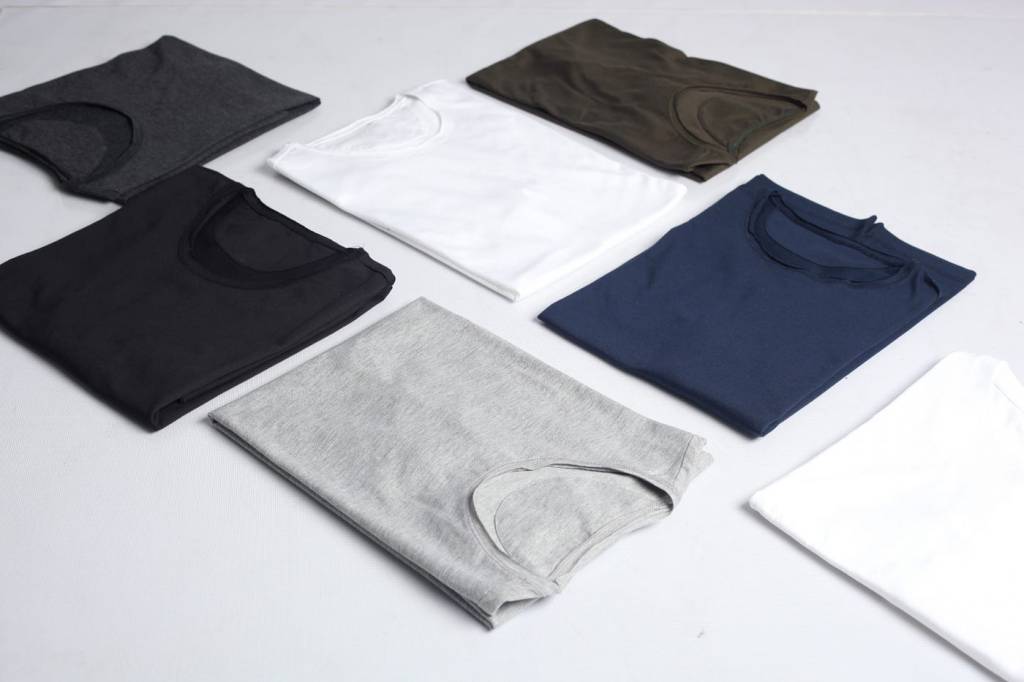
Print-on-Demand is a business model that lets you design custom merchandise—like t-shirts, mugs, phone cases, and more—and sell them online without ever handling inventory. When a customer places an order, the product is printed and shipped by a third-party provider. This means you can focus on creating designs and marketing your brand while avoiding the hassles of warehousing and fulfillment.
Step-by-Step Guide to Launching Your POD Business
Step 1: Identify Your Niche and Design Style
- Research Your Market:
Explore trends on platforms like Etsy, Instagram, and Pinterest to find a niche that resonates with your target audience. Think beyond generic themes—consider subcultures, hobbies, or niche interests that haven’t been overexploited. - Develop a Unique Brand Identity:
Your designs should reflect a cohesive style that makes your brand stand out. Create a mood board with colors, typography, and design elements that define your brand. - Validate Your Ideas:
Use social media polls, forums, or even Google Trends to test your design concepts before investing too much time in production.
Step 2: Create Your Designs
- Design Tools:
Use graphic design software like Adobe Illustrator, Photoshop, or free alternatives like GIMP and Canva. - Outsource If Needed:
If design isn’t your forte, consider hiring a freelance designer from platforms like Fiverr or Upwork to help bring your ideas to life. - Build a Portfolio:
Start with a series of 10–15 designs that you can upload to your POD store. A diverse portfolio will help you gauge which styles resonate with your audience.
Step 3: Set Up Your Online Store
- Choose a Platform:
Platforms like Printful, Printify, or Teespring integrate seamlessly with online marketplaces like Shopify, Etsy, and WooCommerce. - Design Your Website:
Create a professional, visually appealing store that reflects your brand identity. Optimize your site for SEO by using relevant keywords in product descriptions, meta tags, and titles (e.g., “Unique Custom T-Shirts,” “Handcrafted Art Merch”). - Integrate Payment and Shipping Options:
Ensure your store is set up with reliable payment gateways and clear shipping policies. Transparency builds trust and increases conversion rates.
Step 4: Market Your Products
- Social Media Marketing:
Leverage Instagram, TikTok, and Pinterest to showcase your designs. Use high-quality images, engaging captions, and relevant hashtags to increase your reach. - Email Marketing:
Build an email list and send newsletters with exclusive discounts, new product launches, and behind-the-scenes looks at your creative process. - Collaborations and Influencers:
Partner with social media influencers in your niche who can promote your merchandise to their followers. - Paid Advertising:
Invest in targeted Facebook and Instagram ads to drive traffic to your store. Optimize your ads with A/B testing to find the most effective messaging and creative.
Step 5: Optimize and Scale
- Analyze Performance:
Use Google Analytics and platform-specific dashboards to track visitor behavior, conversion rates, and sales. Identify which products are performing best and why. - Iterate on Your Designs:
Continuously refine your product offerings based on customer feedback and sales data. - Expand Your Product Range:
Once your initial designs gain traction, consider expanding into related merchandise like hoodies, posters, or even niche accessories.
Revenue Potential for Print-on-Demand Merch
- Starting Out:
As a beginner, you might earn anywhere from $200 to $1,000 per month, depending on your niche, design quality, and marketing efforts. - Growth Phase:
With consistent marketing, a refined product line, and expanding your reach, successful POD businesses can generate between $3,000 to $10,000 per month in revenue. - Long-Term Scale:
Top-performing POD entrepreneurs with a well-established brand and loyal customer base can earn six figures annually, especially if they leverage additional revenue streams like wholesale or licensing deals.
Side Hustle Opportunity 2: Freelance Voice-Over Services – Cash in on Your Unique Sound
What is Freelance Voice-Over Work?
Freelance voice-over work involves lending your voice to various projects such as commercials, audiobooks, animations, video games, and corporate training videos. If you have a clear, expressive voice and the ability to convey emotion, this side hustle could be a goldmine for you. With the rise of digital media, the demand for professional voice talent is booming.
Step-by-Step Guide to Starting Your Voice-Over Career
Step 1: Assess Your Voice and Develop Your Skills
- Self-Evaluation:
Record yourself reading different scripts—commercial, narrative, character voices—and critically evaluate your tone, pace, and clarity. - Training and Practice:
Consider taking online voice-over courses on platforms like Udemy or Skillshare. Practice regularly by reading aloud, recording, and refining your technique. - Professional Feedback:
Join voice-over forums or hire a coach for professional feedback. Constructive criticism can help you hone your craft.
Step 2: Create a Professional Home Studio
- Essential Equipment:
Invest in a good quality microphone, pop filter, headphones, and a soundproof area or acoustic panels. You don’t need to break the bank—many successful voice-over artists start with a modest setup. - Recording Software:
Use free or affordable recording software like Audacity or Adobe Audition. Learn the basics of sound editing to ensure your recordings are crisp and clear. - Soundproofing Tips:
Record in a quiet room and use soft furnishings to minimize echo. Even simple DIY solutions can dramatically improve sound quality.
Step 3: Build Your Voice-Over Portfolio
- Demo Reel:
Create a professional demo reel (1-2 minutes long) showcasing your best work. Include different styles—narrative, commercial, character—to demonstrate your versatility. - Website or Profile:
Build a personal website or use platforms like Voices.com, Fiverr, or Upwork to showcase your portfolio. Optimize your profile with SEO-friendly keywords such as “professional voice-over artist,” “commercial voice talent,” or “audiobook narrator.” - Social Media Presence:
Promote your work on LinkedIn, Twitter, and Instagram. Share samples of your recordings, behind-the-scenes looks at your studio, and testimonials from satisfied clients.
Step 4: Market Yourself and Find Clients
- Freelance Platforms:
Create profiles on reputable freelance sites and bidding platforms like Upwork, Freelancer, and Voices.com. Tailor your proposals to each job posting to stand out. - Networking:
Attend virtual industry events, join online voice-over communities, and connect with other creatives who might refer you to projects. - Cold Outreach:
Identify potential clients—advertising agencies, podcast producers, or audiobook publishers—and send personalized pitches highlighting your skills and demo reel. - Optimize Your SEO:
On your website and profiles, use keywords that potential clients are searching for. Write blog posts about your experiences, tips for effective voice-over work, and industry trends to boost your online visibility.
Step 5: Deliver High-Quality Work and Build a Reputation
- Clear Communication:
Ensure you understand client requirements by asking clarifying questions and confirming details before starting a project. - Revisions and Feedback:
Be open to constructive feedback and offer revisions when needed. A reputation for professionalism and flexibility can lead to repeat business. - Expand Your Offerings:
Consider diversifying your services by offering scriptwriting, audio editing, or coaching for aspiring voice-over artists.
Revenue Potential for Freelance Voice-Over Work
- Starting Out:
Beginners can expect to earn anywhere from $50 to $200 per project. As you build your portfolio and gain experience, you may see steady improvements in your rates. - Mid-Level Earnings:
With a growing reputation and client base, many freelance voice-over artists earn between $1,000 and $3,000 per month. Rates vary by project type, with commercial voice-overs generally paying more than audiobooks or e-learning modules. - Experienced Professionals:
Top voice-over talent, especially those specializing in high-demand niches (such as animation or corporate training), can command $500 or more per project. Established artists with consistent work might earn six figures annually by leveraging multiple revenue streams, including direct client work, royalties, and residuals from long-term contracts.
Final Thoughts
Whether you’re drawn to the creative freedom of a Print-on-Demand business or the expressive world of freelance voice-over work, both side hustles offer unique ways to leverage your talents and generate extra income. Here’s a quick recap of the key steps for each:
For Print-on-Demand Merch:
- Identify your niche and create a unique brand.
- Develop a portfolio of high-quality designs.
- Set up your online store with a user-friendly platform.
- Market your products using social media, email, and influencer collaborations.
- Analyze performance and scale up your product range.
For Freelance Voice-Over Services:
- Assess and improve your vocal skills through training and practice.
- Set up a professional home studio on a budget.
- Create a compelling demo reel and online portfolio.
- Market yourself on freelance platforms and through networking.
- Deliver top-notch work, build relationships, and expand your services.
Both of these side hustle opportunities offer realistic revenue potential while allowing you to leverage your unique skills—be it design or vocal talent. The key is to start small, be persistent, and continuously optimize your strategies based on feedback and performance metrics. With dedication and creativity, these unconventional side hustles could be the stepping stones to financial freedom.
Which of these side hustles sparks your interest? Drop a comment below with your thoughts or questions, and subscribe to our newsletter for more insider tips and step-by-step guides on unconventional ways to make money!
 The Power of a Dollar
Leave a comment